
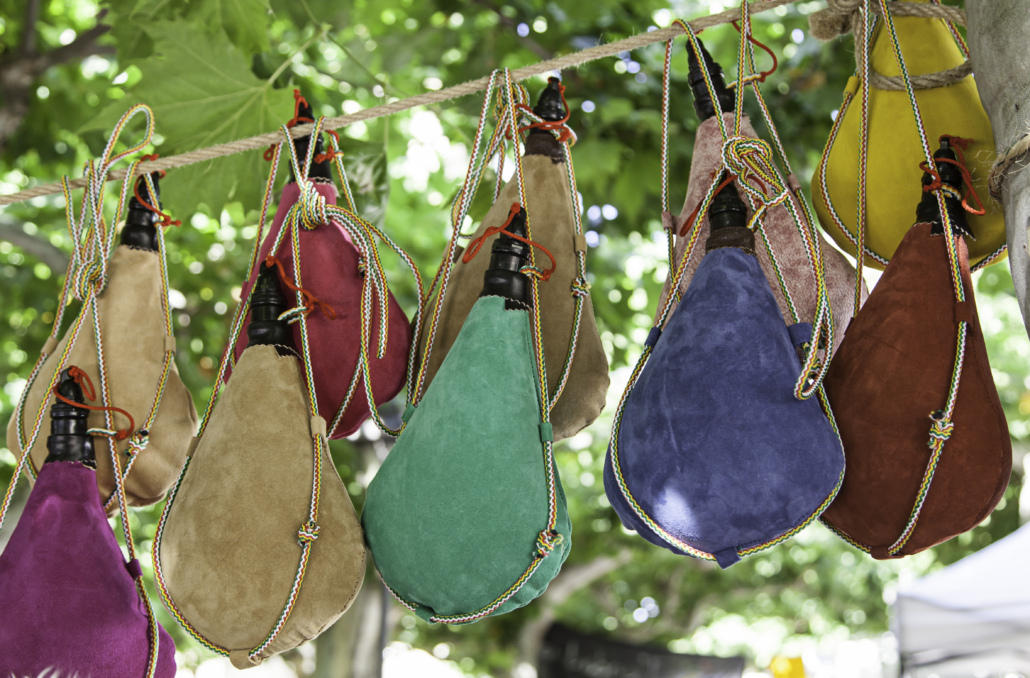
Why You Should Put New Wine into New Wine Skins
Change and growth are fundamental parts of life, both spiritually and personally. Yet, embracing newness can sometimes be challenging, especially when it comes to transforming our hearts, habits, or even entire lifestyles. Jesus’ teaching in Matthew 9:16-17 offers profound wisdom on how to approach new beginnings and why it’s essential to prepare ourselves properly for fresh experiences. He said:
“No one sews a patch of unshrunk cloth on an old garment, for the patch will pull away from the garment, making the tear worse. 17 Neither do people pour new wine into old wineskins. If they do, the skins will burst; the wine will run out and the wineskins will be ruined. No, they pour new wine into new wineskins, and both are preserved.”
This metaphor holds a timeless truth that applies beyond its historical context. Understanding why new wine must go into new wineskins can transform how we embrace change in our own lives.
The Meaning Behind the Metaphor
In Jesus’ time, wine was stored in wineskins made from animal hides. Fresh, unfermented wine was “new wine,” which would continue to ferment and release gases. Old wineskins had already stretched and hardened, becoming less flexible. If you tried to put new, fermenting wine into these old, rigid skins, they would burst under pressure, wasting both the wine and the container.
Jesus uses this vivid image to teach that new ideas, experiences, or spiritual revelations require new containers—new hearts and minds that are flexible and ready to hold them. Trying to force fresh, transformative things into old, hardened ways results in loss and damage.
Why Put New Wine into New Wineskins?
-
Newness Requires Flexibility
New wine is active, alive, and expanding. Old wineskins are hardened by time and experience, often becoming resistant to change. Similarly, when God brings new seasons, opportunities, or revelations into our lives, we need a heart that can stretch and accommodate that newness. If we cling to old patterns, beliefs, or comfort zones, we risk bursting under the pressure of growth. -
Preservation of Both the Wine and the Wineskin
Jesus emphasises that both the wine and the wineskins are preserved when the new wine is put into new wineskins. Spiritually, this means that when we prepare ourselves to receive new blessings or changes properly, both we and the blessings remain intact and fruitful. Trying to hold onto the old while forcing in the new can cause spiritual, emotional, or relational damage. -
Avoiding Damage and Loss
The old wineskins metaphorically represent old mindsets or ways of life that are no longer fit for new purposes. Trying to patch an old garment with unshrunk cloth will only worsen the tear. Likewise, refusing to let go of outdated ways can make a new season harder, causing setbacks or brokenness that could have been avoided.
How Can We Become New Wineskins?
-
Embrace Renewal of the Mind
Romans 12:2 urges believers not to conform to the patterns of this world but to be transformed by the renewing of the mind. This renewal helps us become new wineskins—flexible, open, and ready to hold God’s new work in our lives. -
Let Go of Old Habits and Beliefs
Growth often demands releasing old habits, mindsets, and fears. This doesn’t mean forgetting the past, but recognising when certain ways no longer serve our present or future purpose. -
Stay Spiritually and Emotionally Flexible
Allow space for God’s Spirit to stretch and mould you. Be willing to learn, change, and step into new seasons even when it feels uncomfortable.
What Does This Mean for You Today?
Whether you’re entering a new phase in your life, beginning a fresh ministry, or simply seeking deeper spiritual growth, remember Jesus’ teaching. The success and preservation of your new journey depend on your willingness to become a new wineskin—someone adaptable, renewed, and ready for what God is pouring out.
Trying to pour new wine into old wineskins might feel easier because old wineskins are familiar and comfortable. But in doing so, you risk breaking what you have and losing what God intends to give. Instead, prepare yourself for new wine by cultivating a new wineskin—a heart and life stretched, renewed, and ready.
Conclusion
The principle of putting new wine into new wineskins is a powerful reminder that transformation requires preparation and openness. It invites us to shed the rigidity of the past and welcome fresh beginnings with readiness and faith. As Jesus said, when this is done rightly, both the new wine and the wineskin are preserved.
So today, ask yourself: Are you a new wineskin ready to hold the new wine God wants to pour into your life? Or are you holding onto old ways that might cause you to burst under pressure? Embrace the new, and watch how God preserves and blesses the journey ahead.


 Español
  English (South Africa)