
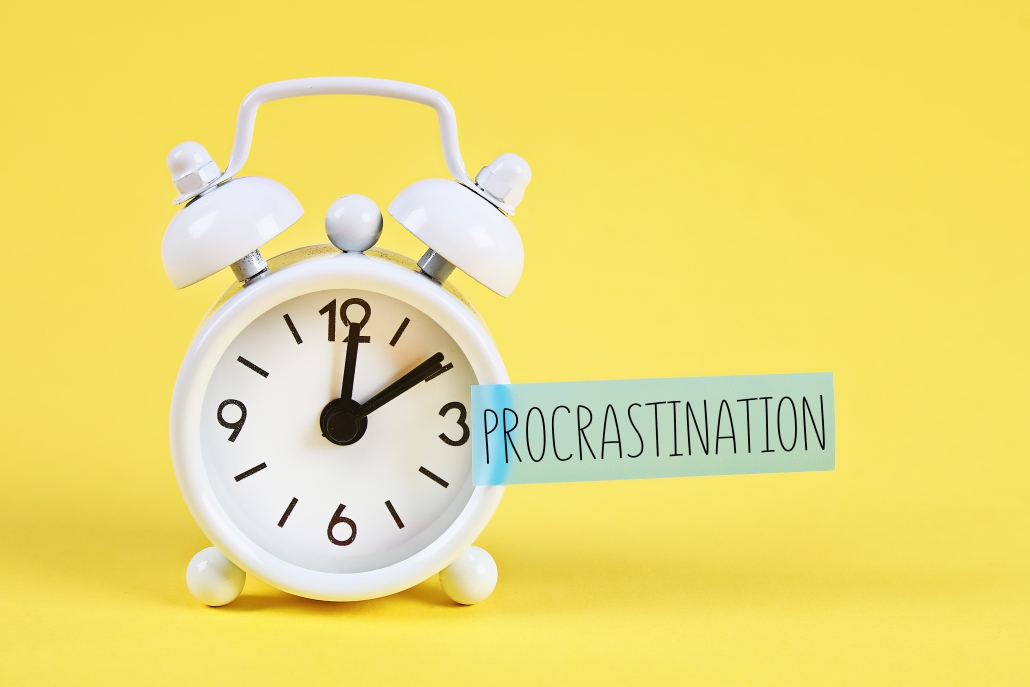
5 Reasons Procrastination Will Trip You Up
Procrastination often slips in quietly. It doesn’t barge through the door—it whispers, “Just a little longer.” It promises comfort, control, and an escape from responsibility. But over time, procrastination doesn’t just delay progress—it erodes it. It blinds us, binds us, and builds invisible walls between where we are and who we’re called to be. One of the Bible’s most vivid warnings about the subtle danger of procrastination comes from the book of Proverbs.
“I went past the field of a sluggard, past the vineyard of someone who has no sense; thorns had come up everywhere, the ground was covered with weeds, and the stone wall was in ruins. I applied my heart to what I observed and learned a lesson from what I saw: A little sleep, a little slumber, a little folding of the hands to rest – and poverty will come on you like a thief and scarcity like an armed man.” – Proverbs 24:30-34 (NIV)
This sobering image isn’t just about laziness – it’s about the deeper danger of procrastination. The vineyard wasn’t destroyed by disaster. It was undone by neglect. By a “little” delay. By the subtle shrug of “I’ll get to it later.” The same is true in our lives. Here are five reasons why even a little procrastination can trip you up more than you realise:
1. Procrastination Turns Small Delays into Big Damage
The vineyard wasn’t abandoned overnight. The thorns didn’t grow in a day. That’s the deception of procrastination—it feels like you’re doing nothing just for now, but you’re setting the stage for long-term loss. Left unattended, minor things become major messes: unpaid bills turn into debt, unspoken words fracture relationships, and postponed prayers create spiritual drought.
2. It Disguises Itself as Rest
“A little sleep… a little folding of the hands…” sounds like self-care. But procrastination is a master of disguise. It often poses as healthy rest when it’s avoidance. True rest restores, while procrastination drains. Rest is intentional. Procrastination is evasive. If you find yourself constantly ‘resting’ yet never refreshed, it might not be rest at all.

3. It Dulls Your Discernment
The sluggard in Proverbs is described as someone “devoid of understanding.” That’s not about intelligence—it’s about spiritual perception. Procrastination clouds our ability to see clearly. It makes us blind to the slow decay happening in and around us. The longer we delay, the harder it becomes to tell what’s urgent, what’s important, and what’s simply slipping through the cracks.
4. What You Postpone Today Will Confront You Tomorrow
“…and poverty will come on you like a thief…” The fall doesn’t feel gradual—it hits suddenly. That’s the irony: procrastination feels like postponement, but it’s actually a silent setup. The consequences often come fast and uninvited. Emotional burnout, financial strain, missed opportunities—many of them trace back to repeated delays that didn’t seem dangerous at the time.
5. Wisdom Doesn’t Wait—It Acts
The writer of Proverbs says, “I applied my heart to what I observed.” Wisdom watches, reflects, and responds. It sees the weeds early and pulls them out. It notices the wall cracking and repairs it. Wisdom understands that procrastination isn’t a neutral delay—it’s a slow surrender of stewardship. Living wisely means choosing intentional action over convenient excuses.
Final Thoughts: Don’t Let “Later” Cost You Now
Procrastination is rarely about time—it’s about trust. Do you trust that obedience, action, and diligence will produce fruit, even if it’s slow? Or do you keep folding your hands, waiting for a more convenient season?
You don’t need to fix everything today—but you do need to start.
Wake up. Pick up the tools. Restore the vineyard.
Reflection Questions:
- Where in your life has procrastination taken root?
- What small step of obedience can you take today?
- How can you distinguish between rest and avoidance in your rhythms?
Don’t let procrastination steal what God is calling you to build. A little slumber might feel harmless – but the cost is far greater than it seems.

 English (South Africa)
  Español